
Small dry pumps
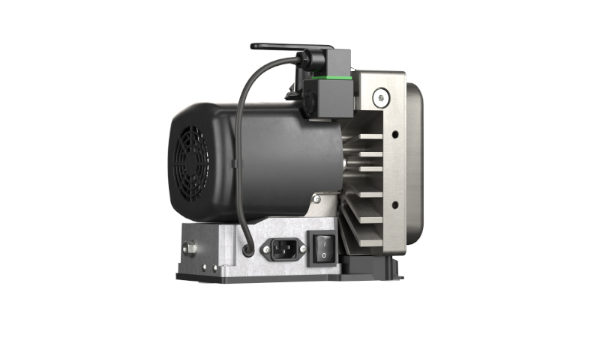
Small dry pumps are oil-free vacuum pumps for laboratory, research and analytical applications. Oil-free operation means the pumped gas never comes into contact with a lubricant, which is a requirement in many sensitive processes and instruments. The flow rate range is typically below 60 m³/h. Ultimate pressure varies by series, from a few mbar down to below 0.01 mbar.
Applications and suitability
A small dry pump suits applications where vacuum cleanliness is the primary requirement. The oil-free operating principle means the pumped gas never comes into contact with a lubricant, a requirement in sensitive analytical and research instruments. The pump is used both as a standalone unit and as part of a larger instrument or vacuum system. Typical applications include:
- Mass spectrometry and spectroscopy
- Electron microscopy and surface analysis
- Backing pump for turbomolecular pumps
- Cryopump regeneration
- Rotary evaporators and laboratory drying applications
- Particle accelerators and synchrotrons
- Chemistry laboratories handling solvents or aggressive gases
When a small dry pump is the right choice
A small dry pump is the standard choice when:
- The process requires an oil-free vacuum and the pumped gas must not be contaminated by a lubricant.
- The application is a laboratory, analytical instrument, or research device where cleanliness is the primary requirement.
- You need a backing pump for a turbomolecular pump or another high-vacuum pump.
- Noise level and compact size are important criteria.
When a small dry pump is not the right choice
Consider an oil-sealed pump instead if:
- The process has no particular cleanliness requirements and cost is the main criterion.
- Flow rate needs are high and operation is a continuous industrial process.
Consider an industrial dry pump instead if:
- Flow rate needs exceed 60 m³/h.
- The process involves dust, vapors, or other by-products that require a more robust design.
What to consider when choosing a small dry vacuum pump
Small dry pumps differ significantly from one another technically: diaphragm pumps, scroll pumps and Roots pumps operate on different principles and suit different applications. The right choice depends on flow rate, required ultimate pressure, and the specific demands of the process.
Technical selection criteria
The small dry pump range covers several different operating principles, so the choice is less straightforward than with oil-sealed pumps. Flow rate, required ultimate pressure, and the nature of the process gas usually narrow down the right option quickly.
Flow rate narrows down the pump type quickly. The flow rate range for small dry pumps is typically below 60 m³/h. If the requirement is known, the right option can be found directly from it.
Ultimate pressure varies more among small dry pumps than among oil-sealed pumps. Different operating principles produce different ultimate pressures, so the required pressure should be established before selecting a model. If the application requires below 1 mbar, not all series are suitable.
Process gas is a particularly critical factor for small dry pumps. Aggressive chemicals, solvents, or acids require a chemical-resistant version. Not all series are suitable for aggressive gases, so the process gases should be identified before purchase.
Operating environment
Laboratory and research environments often place stricter demands on the pump than industrial environments, and these requirements should be established before selecting a model.
Noise level is often a more critical criterion for small dry pumps than for other pump types. The typical operating environment is a laboratory, research space, or analytical instrument where quiet operation is a practical requirement. Check the noise level in advance if the environment is noise-sensitive.
Space and installation location are rarely an issue with small dry pumps thanks to their compact size. Some models are designed to be installed directly inside or underneath the instrument, in which case footprint and weight are key selection criteria.
System compatibility is essential, particularly in backing pump applications. If the pump is connected to a turbomolecular pump or another high-vacuum pump, the connection size and achievable ultimate pressure must match the rest of the system.
Special environments may impose additional requirements. Hazardous areas require an ATEX-certified version. In some applications, electromagnetic interference immunity or a low leak-tightness requirement can be a deciding factor.
Maintenance and repairs
Small dry pumps require significantly less maintenance than oil-sealed pumps. Most series have no oil to change at all, and service intervals are typically measured in years.
Maintenance interval varies by series and application. Diaphragm pumps require regular diaphragm replacement, scroll pumps require tip seal replacement. Roots-principle pumps have no wearing parts in the process chamber at all, giving them a very long service interval.
Spare parts should be checked before purchase. For a well-known manufacturer's pump, original spare parts are available from a domestic distributor without foreign lead times.
Field service can often be carried out by the customer's own staff on smaller models. Larger repairs require bringing the pump in for service.
Replacement pump is a less critical question than in industrial processes, but if the unit is part of a continuous research process or analytical instrument, the impact of downtime should be assessed in advance.
Technical support
The small dry pump range is diverse and applications vary considerably. Finding the right option often requires a discussion about the application, not just a comparison of specifications.
It's worth establishing in advance where to get help choosing a model, who handles servicing, and where spare parts come from. A small dry pump has a long service life, and situations requiring expert advice will come up during it.
Small dry pumps we offer
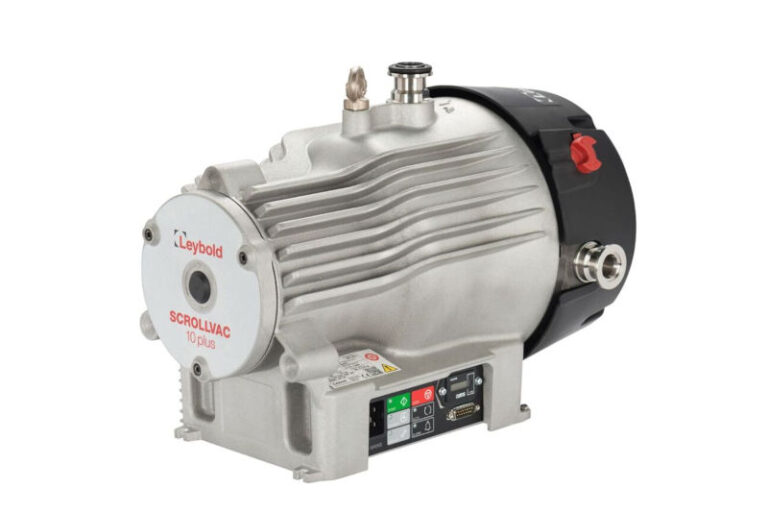
Leybold SCROLLVAC
SCROLLVAC plus is Leybold's oil-free scroll vacuum pump for continuous operation. The pumping speed of 6.1–20 m³/h covers laboratory and research use as well as lighter industrial applications where process cleanliness matters.
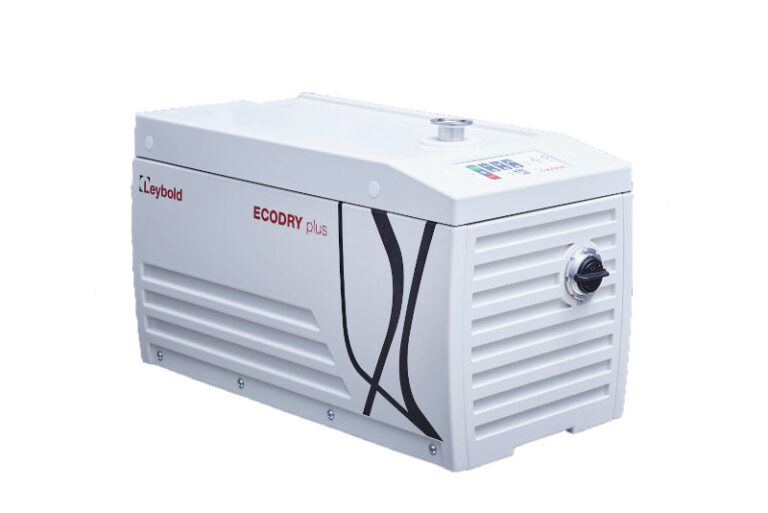
Leybold ECODRY
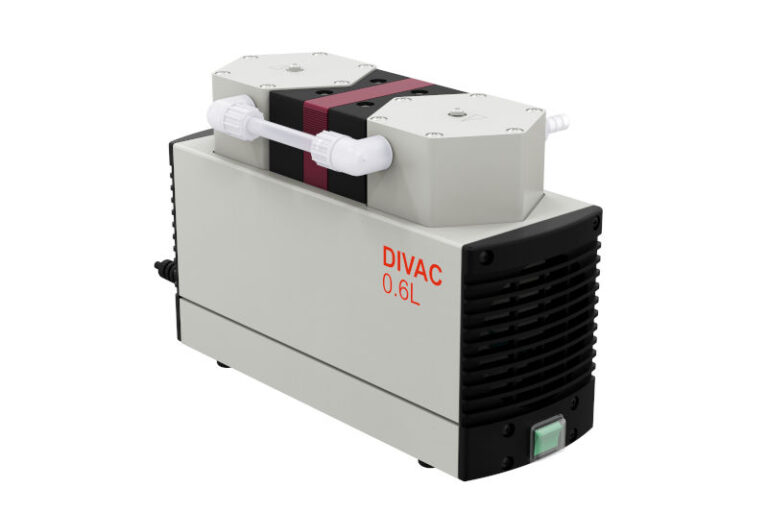
Leybold DIVAC
Leybold - a pioneer in vacuum pumps

Why Active Vacuum?
Vacuum technology is our specialty, and you always deal with a person who knows vacuum pumps through hands-on field experience across the industry. Besides Leybold sales, we provide vacuum pump servicing, spare parts, and accessories. If your process is critical, we can provide a replacement pump for the duration of a new pump order, service, or repair.
Ask more about small dry pumps
The right pump type depends on the application, flow rate, and process conditions. Get in touch and we'll work out together which pump type and model fits your needs.
