
Industrial dry pumps
Applications and suitability
An industrial dry pump suits processes where vacuum cleanliness, durability, and long service intervals are key requirements. The pump is used both in individual process equipment and in large industrial systems. Typical applications include:
- Vacuum coating, PVD and CVD
- Industrial furnaces and heat treatment
- Freeze-drying in the pharmaceutical and food industries
- Degassing and drying processes
- Crystal growth and casting
- Backing pump for a Roots blower or a higher-vacuum pump
- Load locks and transfer chambers
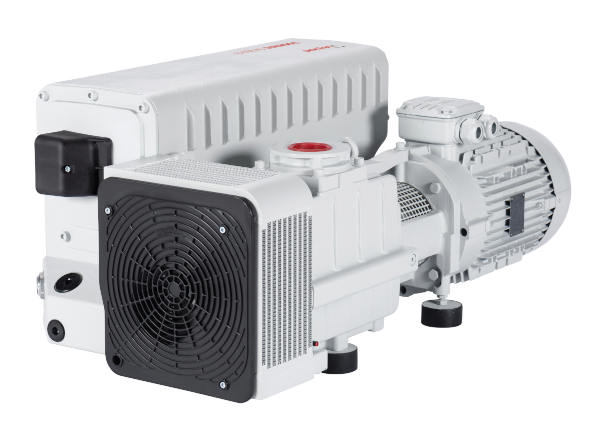
When an industrial dry pump is the right choice
An industrial dry pump is the right choice when:
- The process requires an oil-free vacuum, or the pumped gas must not be contaminated by a lubricant.
- The application involves dust, vapors, or process by-products that require a durable design.
- Minimizing service intervals is important and continuous uptime is critical.
- Flow rate needs exceed 60 m³/h.
When an industrial dry pump is not the right choice
Consider an oil-sealed pump instead if:
- The process has no particular cleanliness requirements and purchase cost is the main criterion.
- Flow rate is below 100 m³/h and the application is a simple industrial process without aggressive gases.
Consider small dry pump if:
- The application is a laboratory or analytical instrument and flow rate needs are below 60 m³/h.
What to consider when choosing an industrial dry vacuum pump
Industrial dry pumps are technically advanced units and the range is broad. The right choice depends on flow rate, process gas, and the demands of the operating environment. Sizing should be done carefully, since the pump is often a critical part of the production process.
Technical selection criteria
The industrial dry pump range covers a wide flow rate span and several different technologies. Flow rate, ultimate pressure, and the nature of the process gas usually narrow down the right series quickly.
Flow rate is the single most important parameter. Industrial dry pumps typically cover 80–1,600 m³/h. If the requirement exceeds this, a Roots blower combination is needed.
Ultimate pressure varies between series. Most industrial dry pumps reach below 0.01 mbar, the best below 0.005 mbar. If the process requires lower pressure than this, an additional pumping stage is needed.
Process gas affects both the choice of series and the lubricant. Aggressive chemicals, oxygen, or corrosive gases require a special version or special lubricant. This should be established before purchase.
Operating environment
Noise level varies more among industrial dry pumps than among small dry pumps. In an open production space, noise level is rarely a limiting factor, but in an enclosed space or near workstations it's worth checking.
Space and installation location are a more significant question for industrial pumps than for small dry pumps. The largest models weigh several hundred kilograms and require adequate service clearance around them.
System compatibility is often a critical factor. An industrial dry pump is typically connected to a Roots blower or as part of a larger vacuum system. Connection sizes, pumping speed, and ultimate pressure must match the rest of the system.
Cooling is a more important consideration for industrial dry pumps than for small dry pumps. Most larger models are water-cooled, which means the cooling water connection must be accounted for during installation.
Maintenance and repairs
Maintenance interval for industrial dry pumps is typically long, up to five years for several series. This is one of the key advantages of dry pump technology compared to the regular maintenance needs of an oil-sealed pump.
Spare parts and their availability are an essential criterion for continuity. Spare parts available from a domestic supplier significantly reduce downtime compared to foreign deliveries.
Process downtime is often a more critical factor in industry than in other applications. If the process cannot tolerate unexpected downtime, availability of a replacement pump and fast service capacity are just as important criteria as the equipment's technical specifications.
Technical support
Sizing and selecting industrial dry pumps is rarely a simple table comparison. The specifics of the process, system integration, and the demands of the operating environment all factor into the final choice.
It's worth establishing in advance where to get help with sizing, who services the pump, and how to proceed in the event of an unexpected fault.
Industrial dry pumps we offer
Active Vacuum's range includes five Leybold series in the industrial dry pump category. The series differ in flow rate, cooling method, and application area. The right choice depends on process requirements and the operating environment.
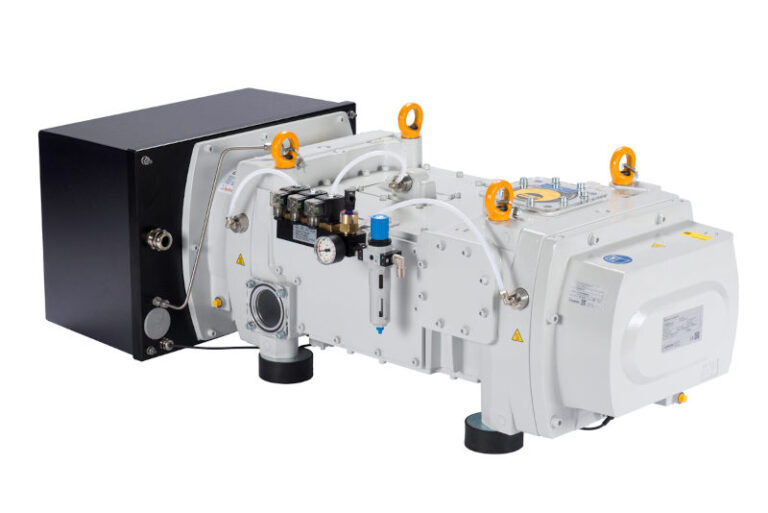
Leybold DRYVAC
DRYVAC is Leybold's oil-free dry screw vacuum pump for continuous industrial use. The flow range of 200–1,600 m³/h covers demanding industrial processes where contamination risk, uptime, and energy consumption are decisive factors.
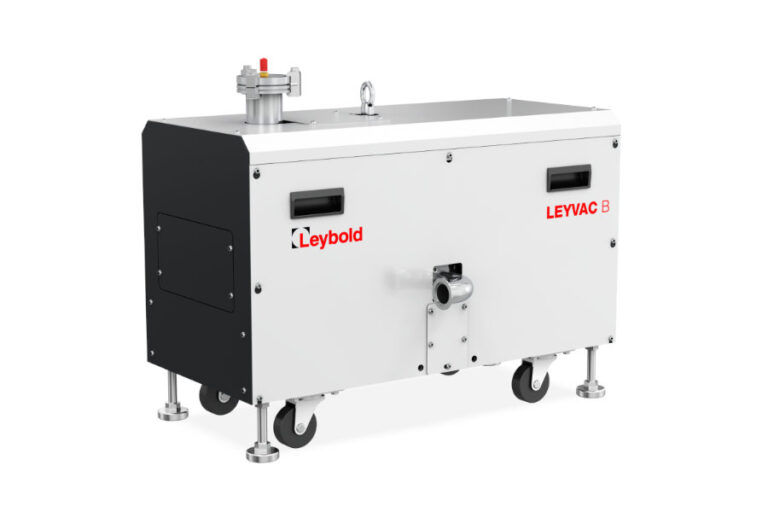
Leybold LEYVAC B
LEYVAC B is Leybold's water-cooled, oil-free dry screw vacuum pump for demanding industrial processes. The flow range of 80–160 m³/h covers the needs of heavy process industry and coating applications.
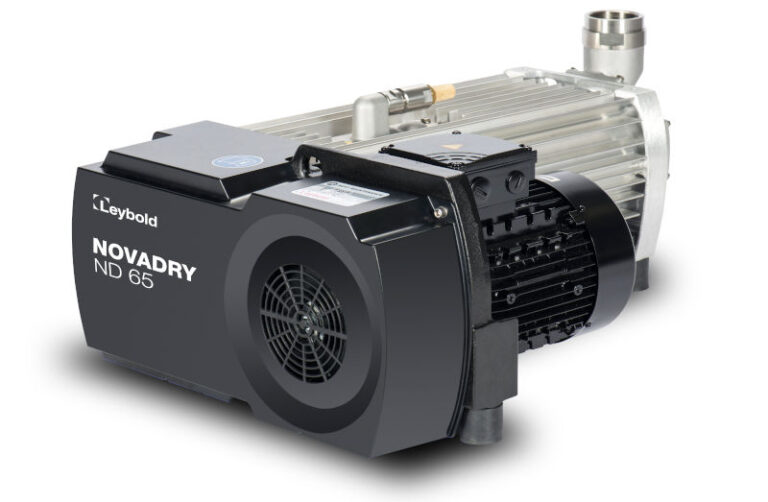
Leybold NOVADRY
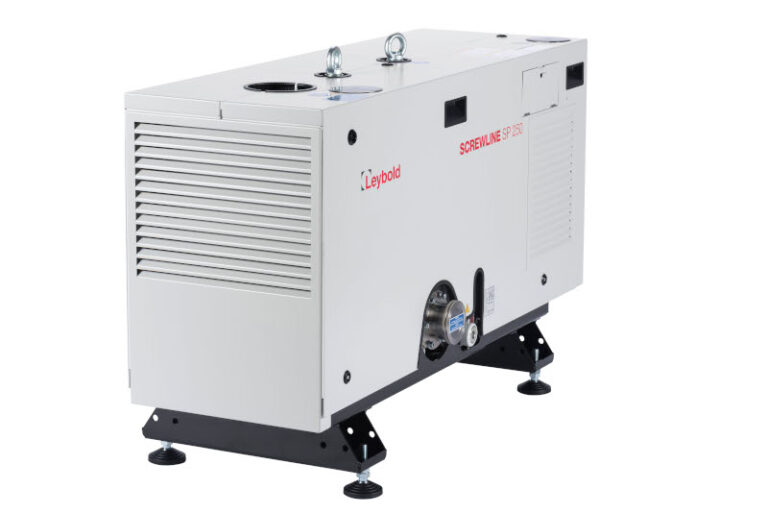
Leybold SCREWLINE
SCREWLINE SP is Leybold's dry screw vacuum pump for the most demanding industrial applications. Its console-bearing design and direct pumping path make it a solution for processes that push conventional vacuum pumps to their limits.
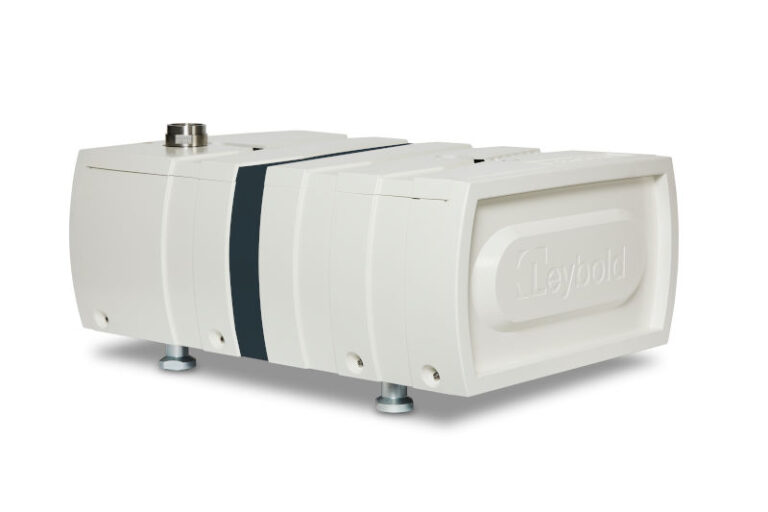
Leybold VARODRY
VARODRY is Leybold's air-cooled industrial dry screw vacuum pump. The flow rate range of 65–200 m³/h covers processes that require the performance of a heavy-duty industrial dry pump without the installation and maintenance burden of water cooling.
Leybold - a pioneer in vacuum pumps

Why Active Vacuum?
Vacuum technology is our specialty, and you always deal with a person who knows vacuum pumps through hands-on field experience across the industry. Besides Leybold sales, we provide vacuum pump servicing, spare parts, and accessories. If your process is critical, we can provide a replacement pump for the duration of a new pump order, service, or repair.
Ask about industrial vacuum pumps
The right pump type depends on the application, flow rate, and process conditions. Get in touch and we'll work out together which pump type and model fits your needs.
